
The Silent Transformation: What Dreams About Being Kidnapped and Killed Are Really Telling You
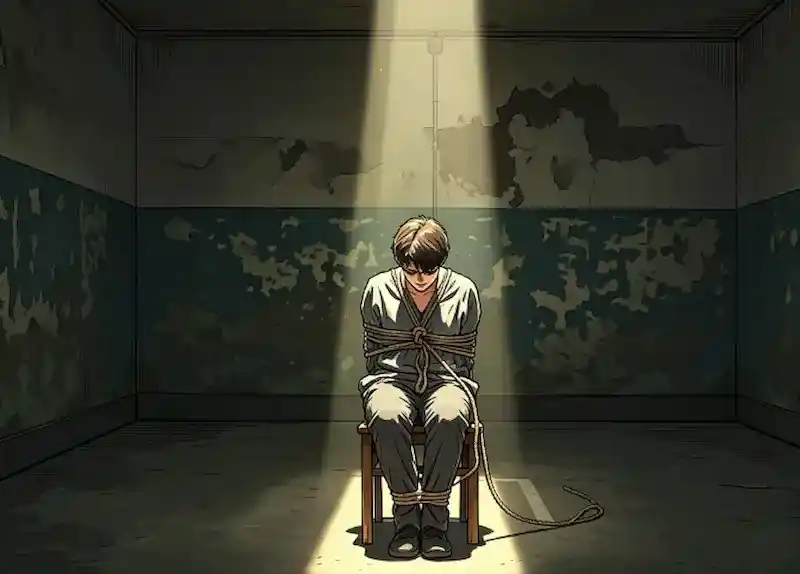
This dream is not a literal sign that you will experience kidnapping, physical harm, or any kind of “death prediction” in real life. It’s important to first ease that core layer of fear and anxiety.
At its core, this type of experience—often described as dreams about being kidnapped and killed—can be understood as an intense symbolic projection of subconscious emotions and inner states. Compared to a simple “being kidnapped” dream, the added element of “being killed” introduces a sense of finality and irreversibility. Symbolically, it extends beyond basic feelings of loss of control or boundary violation, and may reflect themes such as the ending of an old self, the release of deeply held emotional tension, a sense of major life transition, or a strong internal signal that something within you is seeking change or expression.
I. Core Interpretations from Mainstream Psychology
(A commonly referenced, psychology-based perspective)
The following interpretations focus on the dual theme of “kidnapping + being killed” to explore possible subconscious signals. This is what distinguishes these dreams from more typical kidnapping-related dreams:
1. Foundational Layer: Heightened Loss of Control and Intense Stress
One of the most common underlying themes is a strong sense of losing control. In symbolic terms, kidnapping represents a loss of personal freedom or autonomy, while being killed can represent an extreme endpoint of that loss, where even the most basic sense of agency feels absent.
In some cases, dreams about being kidnapped and killed may be associated with periods of prolonged stress, pressure, or feeling overwhelmed. For example, situations involving demanding work environments, strained relationships, or restrictive circumstances may lead to feelings of limited personal space or reduced control.
Emotions that are difficult to process during waking life—such as pressure, exhaustion, or a sense of being pushed beyond one’s limits—can sometimes take on more dramatic symbolic forms in dreams. Rather than reflecting literal danger, these dream scenarios may highlight how intense or compressed those internal experiences feel.
In other cases, instead of reaching a breaking point, this tension may take a different direction, appearing in dreams of being kidnapped and falling in love, where control is psychologically reinterpreted rather than resisted.
2. A Common Positive Interpretation: Letting Go of the Old Self and Psychological Transformation
In many psychological frameworks, dream imagery involving “death” is not interpreted literally, but rather symbolically. It often represents change, transition, or the ending of one phase and the beginning of another.
Within this context, kidnapping may symbolize being pushed out of a familiar comfort zone, even if the change feels unwanted. The element of being killed can represent the complete release of an older version of oneself—such as patterns of people-pleasing, self-doubt, reliance on external validation, or identities shaped by past experiences.
From this perspective, dreams about being kidnapped and killed may reflect an internal process of transformation. The “ending” in the dream can be seen as making space for a more authentic, resilient, or self-aligned version of oneself to emerge.
After such dreams, some people may find themselves reflecting more deeply on their life direction, relationships, or personal boundaries. These reflections can sometimes coincide with meaningful life adjustments or shifts in perspective, depending on individual circumstances.
In contrast, some people experience dreams of escaping from kidnapping situations, which reflect a more active psychological shift toward regaining control and resolving internal conflict.
3. Despair Over Irreversible Life Changes and the Symbolic “Social Death”
In symbolic terms, kidnapping can represent being forced onto a life path you did not choose, while being killed reflects a sense of finality—something that cannot be undone or reversed. From a psychological perspective, dreams about being kidnapped and killed may mirror feelings associated with major, irreversible life changes.
These experiences can sometimes arise during periods when a person feels that a significant part of life has shifted beyond their control—such as the end of a long-term relationship, major career setbacks, the loss of an important connection, health challenges, or realizing that life has moved far from earlier expectations.
Rather than indicating literal outcomes, the dream may reflect an internal emotional state—particularly a sense of powerlessness, loss, or difficulty adapting to change. What can feel like a kind of “social death” on a psychological level—losing a former identity, role, or direction—may be expressed in dreams through intense, symbolic scenarios like being kidnapped and killed.
4. Self-Doubt and Inner Criticism as a Form of Internal Conflict Projection
In some cases, the figure causing harm in the dream may symbolically represent aspects of oneself. This type of dream can be understood as an externalized expression of ongoing self-criticism, self-doubt, or internal pressure.
In waking life, this might relate to patterns such as being overly self-critical, focusing heavily on perceived flaws, or holding onto past mistakes with difficulty letting go. Over time, this kind of internal dialogue can feel emotionally draining and limiting.
Within this framework, dreams about being kidnapped and killed may serve as a symbolic representation of that inner conflict. Rather than pointing to external danger, the imagery can reflect how internal tension, self-judgment, or lack of self-acceptance is being experienced on a deeper emotional level.
This kind of internal tension can sometimes originate from past relationships, such as in dreams of being kidnapped by an ex-boyfriend, where unresolved emotions continue to influence your sense of control.
II. Cultural and Spiritual Perspectives (For Reference Only, Not Scientific Conclusions)
Traditional Chinese Dream Interpretation
In traditional systems often associated with texts like Zhougong’s Dream Dictionary, dreaming of one’s own death is not typically considered a negative sign. Instead, it is often interpreted as a symbol of renewal—letting go of the old and welcoming the new. As the saying goes: “Dreaming of death brings good fortune; past difficulties fade, and new beginnings arise.”
If someone dreams of being kidnapped and killed but feels no pain and remains calm throughout, it is traditionally seen as a positive sign. It may symbolize the release of long-held worries or emotional burdens, suggesting the possibility of a fresh start and a smoother phase ahead in life.
If the dream includes being killed and then coming back to life, it is often interpreted as an especially favorable sign. In cultural terms, this may symbolize overcoming challenges, resolving past obstacles, and entering a new phase of personal renewal. Themes such as gradual improvement in life circumstances or a sense of rebuilding are commonly associated with this type of imagery.
Western Cultural and Spiritual Perspectives
Within some Western New Age spiritual frameworks, this type of dream is sometimes described as a symbolic “dark night” experience that precedes personal or spiritual awakening. In this context, kidnapping may represent being pulled away from familiar patterns or states, while being killed symbolizes the release of old identities, limiting beliefs, or deeply ingrained patterns. From this perspective, dreams about being kidnapped and killed can be interpreted as reflecting a transition toward a new phase of awareness or personal growth.
If, in the dream, you experience being killed and then observe the scene from an out-of-body perspective, some interpretations suggest this may symbolize a shift in perspective—stepping outside of a “victim mindset” and beginning to view life challenges from a more detached or reflective standpoint.
If, during the moment of being killed, you feel calm or a sense of release rather than fear, it is sometimes interpreted as a symbolic indication of letting go—possibly reflecting a process of emotional resolution, acceptance of the past, or a readiness to move forward in a more self-aligned way.
III. Key Dream Details for More Personalized Interpretation
Even within the same general theme, small differences in dream details can significantly influence how the symbolism is understood. The following perspectives can be used as general reference points:
1. The Identity of the Aggressor
If the aggressor is a complete stranger:
This may reflect a more generalized sense of uncertainty, fear of the unknown, or anxiety about factors that feel outside your control. In some cases, it can relate to diffuse stress where the exact source is unclear, yet the pressure feels persistent.
If the aggressor is someone familiar (such as a friend, partner, or family member):
This may symbolically relate to tension, conflict, or emotional discomfort within that relationship. It could reflect feelings about boundaries, trust, or unresolved interpersonal dynamics.
If the aggressor feels like yourself, or strongly connected to you:
This may point toward internal conflict, such as self-criticism or self-doubt. In this context, dreams about being kidnapped and killed can be seen as symbolic expressions of inner tension rather than external threat.
2. What Happens After “Death” in the Dream
If you wake up immediately after being killed, with a strong physical or emotional reaction (such as a racing heart or lingering unease):
This may indicate that recent stress or anxiety has been particularly intense. The dream could be reflecting an accumulation of emotional pressure that is seeking release.
If you observe the scene from an out-of-body perspective:
This may symbolize a growing ability to step back and reflect on your situation more objectively, suggesting a shift toward greater emotional distance or perspective.
If you are “killed” and then come back to life or wake up again within the dream:
This is often interpreted as a positive symbolic pattern, representing renewal, resilience, or the possibility of moving through challenges and emerging with a new sense of direction.
3. Your Reactions During the Dream
If you are unable to move, cannot call for help, and do not resist:
This may reflect feelings of helplessness or passivity in certain areas of life, possibly shaped by ongoing pressure or situations where it feels difficult to assert control.
If you resist strongly or struggle but the outcome remains the same:
This may symbolize a sense of having tried hard to change a situation without seeing the desired results. It can also highlight the emotional weight of persistence under difficult circumstances.
If you choose not to resist and instead accept what happens calmly:
This may reflect a process of acceptance—acknowledging what cannot be changed, letting go of resistance, and gradually moving toward a new phase of understanding or personal direction.
Supplementary Note
Dream interpretation has no absolute standard. The ultimate meaning depends on the specific story in the dream, your real-life feelings, and your current life and emotional state. More than fixed symbolism, the core value of dreams is helping you see your true inner desires, fears, and needs.
💡 Important Notes
This interpretation is based on psychological symbolism and is intended for personal reflection and self-discovery only. It does not constitute psychological diagnosis or medical advice. If you are experiencing persistent anxiety or emotional distress, please consult a qualified mental health professional. Dream symbolism varies widely; these interpretations should be viewed as interpretive tools for insight, rather than definitive explanations.
Looking for a deeper exploration? If these perspectives resonate with you, we offer individualized dream analysis reports grounded in cultural and psychological frameworks. These are designed to provide personal reflection and creative insights into your inner narrative.
[Contact Jack for a Personalized Analysis]