Afterlife Dream Meaning: Psychological & Cultural Interpretations
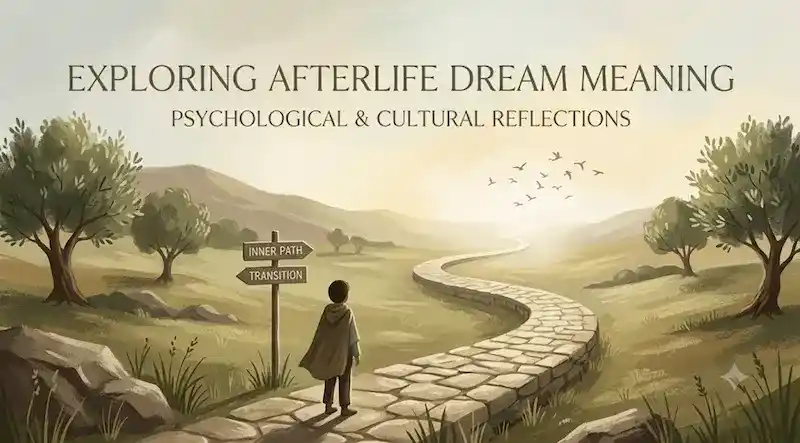
Dreams involving the afterlife are an ancient and widespread human experience. The symbolism behind these dreams can be rich, complex, and deeply personal. Rather than serving as literal predictions of the future, they often reflect your current emotional state, inner questions, personal growth, and subconscious activity.
When exploring afterlife dream meaning, it can be helpful to view the dream from several different perspectives.
1. A Psychological Perspective: Symbols of the Unconscious and Personal Integration
This is one of the most common approaches to dream interpretation. According to psychologists such as Carl Jung, dreams are direct expressions of the unconscious mind. From this perspective, dreaming about the afterlife may symbolize the following themes:
Major Life Changes and Transitions
In dreams, death rarely represents physical death. More often, it symbolizes endings, transformation, and new beginnings.
You may be moving through a significant life transition, such as:
- A change in identity: graduating, changing careers, getting married, getting divorced, or becoming a parent.
- The end of a relationship: the conclusion of a romantic relationship or friendship.
- A shift in beliefs: letting go of an old worldview, lifestyle, or set of values.
Anxiety and Curiosity About the Unknown
The afterlife represents one of humanity’s greatest unknowns. Dreaming about it may reflect uncertainty about an upcoming stage of life, such as entering a new school, starting a business, relocating, or facing an unfamiliar situation.
At the same time, these dreams may also reveal a natural curiosity and desire to explore what lies beyond your current understanding.
Psychological Integration and Personal Growth
Jung viewed dreams as messengers that help integrate different aspects of the self. In this context, an afterlife dream may reflect an ongoing effort to better understand who you are or to reconcile different sides of your personality.
It may symbolize a process of bringing together your strengths, vulnerabilities, hopes, fears, and hidden qualities. Dreams of this nature often appear during important periods of personal development.
Unresolved Emotions or Fears
If you have a strong fear of death, or if you have recently experienced the loss of a loved one, the dream may simply reflect your subconscious mind processing grief, sadness, uncertainty, or emotional pain.
In many cases, the afterlife dream meaning is closely connected to feelings that have not yet been fully understood or expressed.
2. A Cultural and Spiritual Perspective: A Reflection of Beliefs and Worldviews
The specific form the afterlife takes in your dream—whether it resembles heaven, hell, reincarnation, emptiness, or a realm filled with light and peace—is often shaped by your cultural background and personal beliefs.
A Reflection of Faith
For people with religious beliefs, dreams of the afterlife may naturally draw upon familiar teachings, symbols, and imagery. The dream can reflect personal interpretations of spiritual ideas and may serve as an extension of one’s inner faith or religious experience.
Exploring the Meaning of Life
For many people, thinking about the afterlife is closely tied to thinking about the purpose of life itself.
A dream like this may encourage reflection by asking an important question:
“Am I living in a way that feels meaningful and true to myself?”
As a result, the dream may inspire you to reconsider your priorities, values, and long-term goals.
A Sign of Spiritual Exploration
For some individuals engaged in spiritual inquiry, dreams are viewed as symbolic experiences connected to deeper self-understanding.
Within certain spiritual traditions, peaceful and luminous visions of the afterlife are often interpreted as positive symbols of inner growth, self-awareness, or a stronger connection with personal wisdom and inner calm.
Rather than offering objective answers about what exists beyond life, these dreams may reflect an evolving relationship with your own beliefs, questions, and search for meaning.
3. A Reflection of Your Current Emotional State and Life Circumstances
To better understand your dream, pay close attention to the emotions you experienced and the specific details you remember. These often provide the most meaningful clues when exploring afterlife dream meaning.
The Emotions You Felt in the Dream
Peace, Calm, or Warmth
These are often among the most reassuring emotional experiences in dreams. They may reflect a growing sense of inner peace, emotional reconciliation, or a deeper acceptance of life’s natural cycles of change and renewal.
Fear, Darkness, or Chaos
These emotions may mirror stress, guilt, unresolved emotional wounds, or fears of losing control in your waking life. Rather than predicting future events, the dream may simply be drawing your attention to emotions that are ready to be acknowledged and worked through.
Curiosity, Exploration, or Wonder
If your dream leaves you with a sense of fascination rather than fear, it may suggest that you are currently exploring life’s deeper questions. This type of dreaming about the afterlife can reflect an open mind and a genuine desire to understand yourself and the unknown more deeply.
The Scenes You Encountered
Reuniting With a Deceased Loved One
This is one of the most common afterlife dream experiences. Rather than being viewed as a prediction, it is often understood as a symbolic expression of love, remembrance, and longing.
Your subconscious may be using the dream to help process grief, complete an emotional farewell, or continue an unfinished inner conversation. For many people, this is a natural part of the grieving and healing process.
Light, Tunnels, or Beautiful Gardens
These classic symbolic images are frequently associated with hope, transformation, renewal, and new beginnings. Across many psychological and cultural interpretations, they often represent movement from one stage of life into another rather than literal descriptions of an afterlife.
Darkness, Emptiness, Judgment, or Suffering
These symbols may reflect feelings of guilt, self-criticism, regret, or unresolved inner conflict. They are commonly interpreted as symbolic representations of emotional struggles rather than objective statements about spiritual reality.
Cultural Interpretations of Afterlife Dreams (For Reference Only, Not Scientific Conclusions)
Different cultures interpret dreams about the afterlife through the lens of their own beliefs about life, death, and the universe.
Broadly speaking, many Western traditions have historically viewed life and death as a linear journey leading to an eternal destination, while many Eastern traditions see death as part of an ongoing cycle of transformation and rebirth. These differing worldviews naturally shape how dreaming about the afterlife has been understood throughout history.
I. Afterlife Dreams in Western Cultural Traditions
In many Western traditions, ideas about the afterlife have long centered on themes of judgment, redemption, and the soul’s final destination. As a result, dreams of the afterlife have often been interpreted through moral and spiritual symbolism.
1. Ancient Greek and Roman Tradition: The Soul’s Journey
In ancient Greece, it was commonly believed that the soul temporarily left the body during sleep. Within this worldview, dreams of the afterlife were sometimes understood as symbolic journeys into the underworld ruled by Hades, rather than ordinary dreams.
The ancient dream interpreter Artemidorus wrote in Oneirocritica that dreams featuring a peaceful underworld or calm conversations with the deceased were traditionally interpreted as signs that emotional burdens or personal difficulties might gradually come to an end. In contrast, dreams involving restless spirits, pursuit by the dead, or judgment in the underworld were often understood as symbolic warnings to approach future conflicts or difficult situations with greater care.
From a philosophical perspective, these dreams were also seen as a form of “rehearsing death.” This idea reflected the ancient Greek belief that contemplating mortality could help people reduce their fear of death and live more thoughtfully.
2. Christian Tradition: Moral Reflection and Spiritual Comfort
Within Christian tradition, the concepts of Heaven, Purgatory, and Hell have formed one of the most influential frameworks for interpreting afterlife imagery.
Dreams of a peaceful, radiant heaven
Within Christian belief, dreams of a bright and peaceful afterlife are often interpreted as symbols of comfort, hope, and spiritual reassurance. For some believers, they may reflect an inner sense of peace, confidence in one’s faith, or emotional comfort regarding loved ones who have passed away. They may also encourage a person to remain faithful to their spiritual values.
Dreams of darkness, hell, or judgment
Within the same tradition, dreams featuring scenes of judgment or suffering are often understood as symbolic reflections of guilt, remorse, or a desire for forgiveness. Rather than serving as predictions, these dreams have traditionally been viewed as invitations to reflect on one’s actions, seek reconciliation, and pursue personal growth.
During the Middle Ages, many people also believed that dreaming of deceased loved ones suffering in the afterlife could symbolize a request for prayers or acts of charity on their behalf. This was a traditional religious belief that reflected medieval views of Purgatory rather than an objective interpretation of dreams.
3. Modern Spiritual Perspectives: Consciousness Beyond Ordinary Experience
Beginning in the 19th century, spiritualist movements and later New Age philosophies gradually moved away from traditional religious ideas centered on sin and judgment. Instead, they introduced new ways of understanding afterlife dream meaning, viewing these dreams as symbolic experiences related to consciousness rather than literal descriptions of life after death.
Within these perspectives, dreams of the afterlife are sometimes interpreted as experiences in which consciousness appears to move beyond ordinary physical limitations. Some traditions describe them as symbolic encounters with a higher self, spiritual guides, or even memories that seem connected to previous lifetimes.
Rather than focusing on reward or punishment, these interpretations often emphasize personal growth. From this viewpoint, dreaming about the afterlife may symbolize an expanding awareness, a broader understanding of life, or a period of spiritual exploration and self-discovery. These ideas reflect the beliefs of certain modern spiritual traditions and are not regarded as established scientific conclusions.
II. Afterlife Dreams in Eastern Cultural Traditions
Many Eastern philosophies view life and death as part of a continuous cycle rather than a single beginning and ending. Within these traditions, the afterlife is often understood as one stage in an ongoing process, and dreams are frequently interpreted through ideas such as karma, ancestral connection, and the balance between complementary forces.
1. Traditional Chinese Culture: Ancestors and the Balance Between Worlds
Classical Confucian thought generally takes a reserved approach toward questions about the afterlife, emphasizing the importance of understanding life before speculating about death. Over time, however, Chinese folk beliefs blended Confucian, Taoist, and Buddhist traditions into a rich cultural view of ancestors and the spirit world.
Dreaming of deceased loved ones living peacefully in the afterlife
In traditional Chinese folklore, such dreams are often regarded as symbolic signs that one’s ancestors are at peace and continue to watch over their descendants. They have traditionally been associated with family harmony, blessings, and continuity across generations.
Dreaming of deceased relatives asking for help or appearing to suffer
In Chinese folk belief, this type of dream has often been understood as a symbolic “message from the deceased.” Traditionally, it could suggest that ancestral rituals had been neglected or that unfinished matters remained. In response, families might choose to honor their ancestors through memorial visits or traditional offerings as a cultural expression of remembrance and respect.
Dreaming of entering the underworld or standing before a judge
Traditional folklore has often interpreted these dreams as symbolic invitations to reflect on one’s actions, cultivate kindness, and live with integrity. In some Taoist interpretations, they may also represent an imbalance in one’s physical or emotional state rather than a literal encounter with the afterlife.
Dreaming of celestial realms or heavenly landscapes
Within Taoist traditions, these dreams are sometimes interpreted as symbols of inner clarity, emotional harmony, or spiritual refinement. They may reflect personal cultivation, inner balance, or a peaceful state of mind.
2. Buddhist Perspectives: Karma and Reflection on Rebirth
Buddhism views rebirth through the framework of the Six Realms, where existence continues according to karma rather than ending in a permanent destination.
From the perspective of Buddhist Consciousness-Only (Yogācāra) philosophy, dreams of the afterlife are generally understood as symbolic expressions arising from deep layers of the mind. Rather than predicting future events, they are often interpreted as unconscious manifestations of karmic impressions accumulated through past experiences. Dreams of heavenly realms or pure lands may symbolize wholesome karmic tendencies, while dreams of more difficult realms may represent unresolved negative mental patterns.
From the perspective of spiritual practice, repeatedly dreaming about the afterlife may be viewed as a sign that a person has begun reflecting more deeply on the impermanent nature of life. Within Buddhist tradition, such dreams are sometimes interpreted as opportunities for self-examination and spiritual growth rather than indications of what will happen after death.
3. Hindu Tradition: Karma and the Soul’s Journey
In Hindu philosophy, the soul (Atman) is believed to move through repeated cycles of rebirth. Within this tradition, dreams of the afterlife are sometimes interpreted as symbolic reflections connected to the soul’s ongoing journey across many lifetimes.
If the dream is peaceful, sacred, or filled with light, some Hindu traditions interpret it as a symbol of positive karma and spiritual progress toward moksha—the liberation of the soul and its union with the ultimate reality (Brahman).
If the dream is filled with suffering, confusion, or darkness, it may traditionally be understood as symbolizing unresolved karma or spiritual obstacles. Within Hindu practice, such dreams are often seen as reminders to continue self-discipline, religious practice, and personal cultivation rather than as predictions of future events.
Conclusion and Reflection
The afterlife dream meaning is rarely limited to one fixed interpretation. More often, it reflects the complexity of your inner world—your emotions, beliefs, personal experiences, and subconscious thoughts. Rather than functioning as a prediction of the future, it can be viewed as a symbolic invitation to explore what is happening within you right now.
Don’t Panic
In most cases, dreaming about the afterlife is better understood as a meaningful psychological or symbolic experience than as a sign of something bad to come. It often reflects your inner process of making sense of change, loss, hope, or personal growth.
Ask Yourself a Few Questions
Reflecting on the following questions may help you better understand what your dream means in the context of your own life:
- How did I feel during the dream? (This is often the most important question.)
- Have I recently gone through a major life change or turning point?
- Have I been thinking about topics such as the meaning of life, endings, acceptance, or letting go?
- Have I recently been exposed to conversations, books, films, or personal experiences related to death, religion, or spirituality?
Write Down Your Dream
As soon as you wake up, record as many details as you can remember, including the setting, people, emotions, symbols, and any thoughts you had afterward. Over time, these notes may help you recognize meaningful personal patterns.
Express the Dream Creatively
If the dream leaves you feeling unsettled, consider expressing it through creative activities such as drawing, painting, journaling, or music. Creative expression can be a healthy way to process emotions and integrate the experience into your personal understanding.
When to Seek Additional Support
If the same dream continues to occur frequently and begins to interfere with your sleep, emotional well-being, or daily life—or if you are currently coping with significant grief or emotional distress—it may be helpful to speak with a qualified mental health professional. They can provide a supportive environment for exploring the personal meaning these dreams may hold for you.
A Final Thought
Remember that your dreams are part of your own private psychological landscape.
They often reveal how you are experiencing life, rather than providing objective information about what happens after death.
Ultimately, the value of dreaming about the afterlife lies not in explaining what comes next, but in helping you better understand your present thoughts, emotions, and the life you are living today.
Supplementary Note
Dream interpretation has no absolute standard. The ultimate meaning depends on the specific story in the dream, your real-life feelings, and your current life and emotional state. More than fixed symbolism, the core value of dreams is helping you see your true inner desires, fears, and needs.
💡 Disclaimer & Important Notes
This interpretation is based on psychological symbolism and cultural frameworks. It is intended for personal reflection, creative insight, and self-discovery only. It does not constitute psychological diagnosis, clinical counseling, or medical advice. If you are experiencing persistent anxiety or severe emotional distress, please consult a qualified mental health professional.
🌌 Explore Your Inner Narrative
Intrigued by the hidden language of your subconscious? If these cultural and psychological perspectives resonate with you, we provide individualized dream analysis reports. We blend Western psychological archetypes with Eastern cultural frameworks to help you map your inner world for self-reflection and creative inspiration.