Dream About Violence: Psychological Meanings, Fear, Anger & Inner Conflict

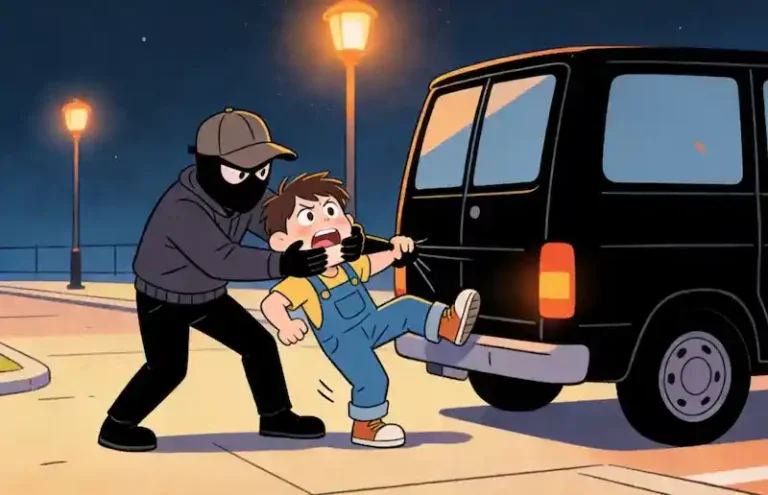
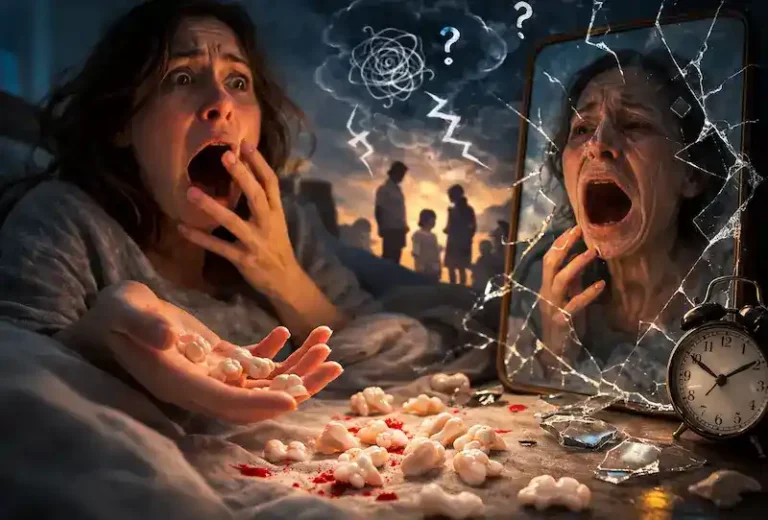
Dreaming about violence, fighting, being chased, or war often leaves people waking up with a racing heart, sometimes even wondering whether something is “wrong” with them psychologically. In reality, a dream about violence is usually not a bad omen, nor does it mean you have violent tendencies in real life. More often, it acts like an emotional mirror, expressing the anger, hurt, fear, loss of control, and inner conflict that were pushed down during the day through intense and dramatic imagery.
To understand dreams of violence, the most important question is not “Will something bad happen?” but rather: What emotions is this dream trying to express for me?
1. How Psychology Understands Violent Dreams
From the perspective of modern psychology, dreams about violence meaning often relate to periods of overwhelming stress, bottled-up emotions, violated boundaries, loss of control in life, or unresolved traumatic memories.
If you are the aggressor in the dream, the key issue is usually not that you want to hurt someone. Instead, it may reflect anger, frustration, or emotional suppression in real life that has reached a breaking point. You may spend too much time staying composed, avoiding conflict, or tolerating things silently while awake, and the dream compensates through extreme imagery tied to the desire to “take back control.”
If you are the victim, the dream often points to insecurity, helplessness, low self-worth, or situations in real life where you feel ignored, controlled, or forced to compromise.
If you are only witnessing violence, it may suggest that you are caught in some form of interpersonal conflict and want to change the situation but feel powerless. It can also indicate avoidance of your own negative emotions.
2. Freud: Violent Dreams as a Safe Outlet for Repressed Emotions
Freud viewed a dream about violence as the release of repressed aggression, instinctive impulses, and unexpressed emotions.
In everyday life, people are constrained by morality, social rules, and relationships. Many feelings — anger, jealousy, frustration, resentment — cannot be openly expressed. Dreams therefore create a kind of “safe stage” where these impulses can appear in symbolic form.
Freud’s idea of “wish fulfillment” does not mean you literally want to harm someone. Rather, the unconscious mind is trying to create emotional release. Things that cannot be said, acted on, or expressed during the day become dramatized and discharged through the dream.
3. Jung: Violent Dreams as the Emergence of the “Shadow Self”
Jung’s interpretation focused more on psychological integration.
He believed that everyone carries a “shadow” within them — the parts of ourselves we do not want to admit or accept, such as anger, ambition, weakness, rebellion, or aggression. Dreams of violence are often signals that this shadow is rising to the surface.
For example, someone who is usually gentle, accommodating, and conflict-avoidant may suddenly dream of exploding in rage. This is not necessarily a bad sign. Instead, it may be the unconscious mind saying that the person has ignored their own boundaries and genuine needs for too long.
In Jungian dream analysis, the goal is not to eliminate the shadow, but to recognize it, understand it, and integrate it. Anger is not always destructive. Sometimes it acts as an inner protector, reminding you where you have been hurt and where new boundaries need to be established.
4. Common Meanings Behind Different Types of Violent Dreams
Dreaming that you are actively attacking someone is often connected to accumulated anger, unspoken needs, or feelings of powerlessness in real life. If the person being attacked is someone close to you, it may suggest unresolved emotional tension within that relationship.
Dreaming of being beaten, chased, or harmed is commonly linked to anxiety, feelings of oppression, or a lack of emotional security. In waking life, you may feel unable to resist certain situations, or you may feel that your personal boundaries are constantly being crossed.
If you dream about a stranger attacking you, the stranger may symbolize external pressure, but it can also represent a side of yourself that you do not want to confront.
Dreams of violence involving war, riots, or random acts of aggression are often connected to broader feelings of instability, loss of control in one’s environment, or anxiety about future uncertainty.
Dreams About Abuse or violent animals may relate more closely to primal emotional instincts — jealousy, desire, passion, fear, or powerful energies that feel difficult to control.
5. Violent Dreams in Chinese Culture: The Unity of Mind and Body
In traditional Chinese culture, a dream about violence is not viewed only as a prediction of good or bad fortune. Instead, it is understood within the larger relationship between the body, the mind, nature, and human relationships.
Traditional Chinese medicine teaches that the mind and body move together. Dreams involving violence and conflict are often associated with the liver and gallbladder systems. The liver is linked with anger, while the gallbladder relates to judgment and decisiveness. Because of this, dreams of fighting, arguing, or killing are often interpreted as signs of long-suppressed anger, resentment, or emotional frustration affecting the body’s internal balance.
Traditional folk interpretations, such as those found in The Duke of Zhou’s Dream Dictionary, pay closer attention to whether blood appears in the dream, whether the dreamer is active or passive, and how the conflict ends. In some traditions, seeing blood may actually symbolize the breaking of bad luck, a turning point, or the resolution of difficulties. Fighting without blood, on the other hand, may symbolize interpersonal conflict or arguments.
Confucian thought tends to view violent dreams as evidence that “dreams arise from the heart and mind,” encouraging self-cultivation and emotional restraint. Taoist perspectives may interpret such dreams as signs of inner unrest and excessive mental noise, suggesting the need for stillness and calm. From a Buddhist perspective, dreams about violence can serve as reminders to become aware of anger and resentment while cultivating compassion and emotional balance.
Although these interpretations come from different systems of thought, they share a common idea: dreams are not telling you to live in fear. They are reminders to pay attention to your mental state, your relationships, and the overall balance of your life.
6. Violent Dreams in Western Culture: Sin, Conflict, and Individual Awakening
Western interpretations of dreams about violence have evolved over time, moving from divine messages and religious symbolism to mysticism and modern psychology.
In ancient Greece and Rome, some people saw violent dreams as warnings from the gods, while thinkers like Aristotle believed dreams were connected to physical conditions within the body. According to the theory of bodily humors, an excess of yellow bile was associated with anger and fighting dreams, while too much black bile was linked to fear, pursuit, and darker dream imagery.
Within Christian traditions, dreams of violence were often understood through the framework of sin, repentance, and redemption. Such dreams were believed to encourage self-reflection about anger, hatred, and unforgiveness.
In Western mysticism, a dream about violence may be associated with symbolic forces such as Mars, Pluto, or Tarot archetypes like the Sword cards, The Tower, or Death — all of which point toward conflict, destruction, transformation, and rebirth.
In modern individualistic culture, however, dreams about violence meaning is often interpreted as a sign of resistance against oppression, restriction, or injustice. These dreams can remind people to value personal boundaries, individual rights, self-expression, and inner freedom.
7. Shared Understandings Between Eastern and Western Perspectives
Although Eastern and Western cultures differ greatly, they share several common views about dreams of violence:
They are usually not predictions of real-life violent events.
They are often connected to repressed anger, fear, stress, and inner conflict.
They frequently reflect an imbalance in one’s emotional or psychological state.
And if they occur repeatedly and begin affecting sleep or daily life, they deserve serious attention.
In other words, a dream about violence is not simply a “bad dream.” It is more like an urgent message sent from the unconscious mind.
8. A Closer Look at One Dream: A Dark Red Sky, a Strange Subway Station, and Explosive Anger
The dream went like this:
The sky in the dream was a muddy dark red. I was walking through an unfamiliar subway platform. Everyone around me had blank expressions, yet the air carried the feeling of gunpowder and tension. Then, without warning, chaos erupted. Someone whose face I could not see rushed toward me. What I felt was not fear, but a burning rage that shot from the soles of my feet straight to my head. I heard the sound of heavy impacts and felt the dull ache in my knuckles from clenched fists. The scene shifted rapidly. At one moment, I seemed to be fighting back among ruins; at another, it felt as if some invisible force was pushing and crushing me. The sensation of being “torn apart” felt disturbingly real. I suddenly woke up, my palms covered in sweat, my fists still tightly clenched.
Dream Analysis
The core emotion in this dream is not fear — it is anger.
Let’s break it down step by step.
1. The Core Emotion: Ignited, Burning Anger
You did not feel fear in the dream. You felt anger. That is the most important key to understanding the entire experience.
This suggests that the conflict in the dream is probably not about fear of external danger, but about an explosion of aggression and emotional pressure that has been building inside you for a long time. The intensity of this feeling is so strong that it carries physical heat, rising from the feet all the way to the head. In real life, you may have been suppressing these emotions for many reasons — trying to stay composed, avoiding conflict, or believing there is no point in speaking up.
2. Symbolism of the Setting: The Murky Sky and the Tense Platform
The Dark Red Sky
Red often symbolizes intense emotions such as anger, passion, or danger. The fact that the sky appeared “murky” and dark suggests that these emotions are not clear or simple. They may be mixed with long-term frustration, anxiety, helplessness, or emotional exhaustion, creating a psychologically heavy atmosphere.
The Subway Station
A subway station can symbolize transition, movement, or an underground passage into the unconscious mind. Walking through an unfamiliar station may reflect a stage in life where you feel uncertain, disconnected, or pushed along by forces outside your control — such as a career change, a new relationship, or a deeper internal transition.
The Expressionless Crowd and the Smell of Gunpowder
These details create a sense of emotional distance and tension ready to erupt at any moment. The environment around you — whether family, work, or social life — may appear calm on the surface while carrying hidden conflict underneath. This can leave you feeling emotionally isolated, tense, or constantly waiting for confrontation.
3. The Feeling of “Being Torn Apart” and the Two Selves: Inner Division and Conflict
This is the deepest expression of the unconscious within the dream.
In the dream, a faceless figure rushes toward you, and you fight back. In psychology, this kind of “faceless” enemy is often understood as a projection of the shadow self. It may represent a specific person in real life toward whom you hold unspoken resentment, but more often, it symbolizes a part of yourself that you have long wanted to resist, reject, or cut away from. That hidden part of you may feel weak, overly tolerant, or trapped in the expectations of others while silently carrying frustration. In the dream, your anger is directed toward that part of yourself.
The intense sensation of being “torn apart” reflects the physical experience of this internal conflict. One side of you wants to break free, fight back, or overturn the situation, while another side — perhaps representing order, reason, obligation, or compromise — is pulling you back with equal force. This inner struggle can be emotionally exhausting.
4. The Deeper Meaning of the Dream: A “Red Alert” From the Unconscious
This dream can be understood as a strong signal that emotional pressure and suppressed feelings have reached a critical point. Through a dream about violence this intense, the unconscious mind may be trying to tell you something important:
Your emotional boundaries may have been seriously violated, and internally, something already feels as though it is “on fire.”
You may need to acknowledge your real emotions and needs, especially the anger that is often labeled as “negative.” That anger does not necessarily need to be turned outward into aggression. Instead, it may be reminding you that there are situations you deeply resent and boundaries that need to be rebuilt.
Your body has already received the message. The sweat in your palms and the tightly clenched fists are signs that your body is holding onto tension even after waking. It is an honest reflection of the connection between mind and body.
Overall, this dream is not predicting future conflict. Instead, it invites you to reflect on several questions:
- In what relationship or situation lately have I felt deeply suppressed or emotionally suffocated?
- Toward whom — or toward which part of myself — am I holding anger that I do not dare express?
- Is there an internal “war” happening inside me that makes me feel as though I am being pulled in two directions?
You may find it helpful to give this “burning anger” a safe and harmless outlet during the day. That could mean intense exercise, writing down every angry thought and then tearing up the paper, or speaking honestly with someone you completely trust. When the unconscious mind feels seen and acknowledged, it often no longer needs to knock so violently through dreams of violence.
And perhaps most importantly, try to treat that angry part of yourself with gentleness. Very often, it is not a destroyer, but an inner protector desperately trying to defend the emotions and boundaries that were never fully respected.
9. How to Understand Yourself After a Dream About Violence
After waking up, there is no need to immediately search for signs of good or bad luck, and there is no reason to blame yourself. Instead, you can begin by asking yourself three questions:
What was the strongest feeling in the dream — anger, fear, relief, numbness, or helplessness?
Where in my recent life have I felt oppressed, ignored, or as though my boundaries were being violated?
Have I been holding back certain words or avoiding emotions that still remain unresolved?
If you only occasionally have dreams of violence, there is usually no need for excessive worry. Violent movies, games, or news before sleep, alcohol use, poor sleep quality, and high stress levels can all contribute to this kind of dream imagery.
However, if violent nightmares happen frequently and are accompanied by ongoing anxiety, insomnia, flashbacks, emotional avoidance, or noticeable distress during daily life — especially after past traumatic experiences — then dreams about violence meaning should not be interpreted through dream analysis alone. In those situations, seeking support from a mental health professional, therapist, doctor, or sleep specialist may be more helpful.
Conclusion
A dream about violence is not a judgment against you, nor is it a threat from fate. It is more like an intense messenger trying to remind you that some anger has been suppressed for too long, some boundaries have been ignored for too long, and some pressures can no longer be pushed aside or denied.
What truly matters is not how violent the conflict in the dream appeared, but whether, after waking up, you are willing to hear the message behind it:
Pay attention to your emotions, and protect your inner world with care.
What Is the Difference Between Dreams About Violence and Dreams About Abuse?
The core difference between violent dreams and abuse-related dreams is that violent dreams tend to involve sudden conflict and emotional release, while abuse-related dreams are more closely tied to ongoing relational harm and feelings of entrapment. Violent dreams often center on survival stress, anger, or loss of control, and the aggressors are usually strangers or non-fixed figures. In contrast, abuse-related dreams commonly involve power imbalance, boundary violations, and damaged trust within close relationships. Violent dreams are more often linked to short-term stress or emotional processing, whereas recurring abuse-related dreams may reflect unresolved relational distress or prolonged psychological strain.
What Does Dreaming About Abuse Mean?
Dreams about abuse do not necessarily mean that someone will experience harm in real life or become harmful toward others. More often, they reflect underlying stress, feelings of violated boundaries, or unresolved emotional experiences within the subconscious mind. These dreams are commonly associated with long-term interpersonal imbalance, ongoing emotional suppression, self-criticism, or feelings of powerlessness in relationships. Different roles within the dream — such as the victim, the aggressor, or the bystander — may symbolize different psychological states or emotional conflicts. If such dreams occur repeatedly and begin to interfere with daily life or sleep, they may indicate the need to pay closer attention to one’s emotional well-being and relationship environment.
What Does Dreaming About Animal Abuse Mean?
Dreams about animal abuse do not mean that someone will harm animals in real life; they are more commonly interpreted as symbols of inner emotions and psychological states. Animals in dreams often represent vulnerable, authentic, or suppressed parts of the self, so these dreams are frequently associated with self-criticism, feelings of helplessness, emotional repression, or unresolved stress. Different roles within the dream may reflect different emotional experiences — for example, being a bystander may symbolize helplessness, while rescuing the animal can represent growing self-protection and stronger personal boundaries. When such dreams occur only occasionally, they are often part of normal emotional processing; if they become frequent and disruptive, they may suggest elevated psychological stress or emotional strain.
Recommended Reading
- Are these violent themes connected to a past relationship? If your dreams of conflict frequently involve a former partner, explore our guide on [Why Do I Dream About My Abusive Ex?] to understand how your mind processes lingering trauma and emotional recovery.
- Is the conflict centered around power and control? If the violence in your dreams reflects a struggle with authority or boundary violations, you may find deeper insight in our analysis of [Common Interpretations of Dreams About Domestic Abuse].
Supplementary Note
Dream interpretation has no absolute standard. The ultimate meaning depends on the specific story in the dream, your real-life feelings, and your current life and emotional state. More than fixed symbolism, the core value of dreams is helping you see your true inner desires, fears, and needs.
💡 Important Notes
This interpretation is based on psychological symbolism and is intended for personal reflection and self-discovery only. It does not constitute psychological diagnosis or medical advice. If you are experiencing persistent anxiety or emotional distress, please consult a qualified mental health professional. Dream symbolism varies widely; these interpretations should be viewed as interpretive tools for insight, rather than definitive explanations.