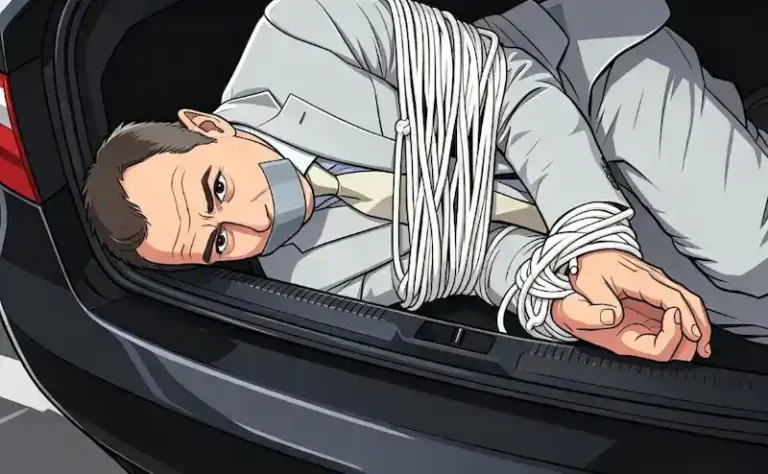
Common Interpretations of Dreams About Domestic Abuse

When people search for dreams about domestic abuse, what usually troubles them is not just the dream itself, but questions like:
Why am I having this kind of dream?
Is it trying to tell me something?
Why do I keep dreaming about being hurt by a partner, controlled by parents, or even becoming the abuser myself — even though I’ve never experienced domestic abuse in real life?
In reality, these kinds of dreams are more common than many people realize from a psychological and emotional perspective.
And in most cases, they are not considered literal predictions of the future or simple “bad omens.” Instead, scenes involving family abuse, relationship violence, control, or humiliation in dreams are often viewed as intense emotional symbols. They may reflect feelings related to safety, personal boundaries, or self-worth becoming weakened within a relationship or life situation.
It is also important to understand that the phrase dreams about domestic abuse is broader than dreams about domestic violence.
That is because domestic abuse does not only refer to physical violence. It may also include:
- Emotional abuse
- Psychological manipulation
- Silent treatment or emotional withdrawal
- Humiliation and belittling
- Financial control
- Restriction of movement or freedom
- Long-term boundary violations
By comparison, domestic violence usually refers more directly to physical acts of violence themselves.
Because of this, many people who look into the domestic abuse dream meaning are not necessarily dreaming about physical assault. More often, the dream involves experiences such as:
- Constantly being controlled
- Being shamed or degraded
- Feeling emotionally trapped
- Being unable to escape
At the emotional core, these dreams are often connected to a loss of security or emotional safety.
1. Does a Dream About Domestic Abuse Mean Something Bad Will Happen in Real Life?
This is usually the first concern people have.
But in most situations, the answer is no.
A dream about domestic violence or abuse is often interpreted less as a prediction and more as an amplified reflection of emotional stress, tension, or unresolved feelings in waking life.
Psychologically speaking, the idea of “home” is commonly associated with things like:
- Safety
- Belonging
- Emotional support
- Protection
So when the “home” in a dream becomes frightening or unsafe, it may reflect a growing sense that emotional security feels unstable in some part of life right now.
That feeling does not necessarily come from family itself.
Sometimes it may be connected to:
- A long-term emotionally draining relationship
- Control or pressure in the workplace
- Feeling unseen or constantly dismissed
- Ongoing helplessness or emotional exhaustion
- Personal boundaries being repeatedly ignored
In many interpretations, the subconscious mind may compress these emotions into one of the most emotionally intense symbols possible: domestic abuse.
That is why dreams about domestic abuse are often understood less as literal warnings and more as symbolic expressions of emotional overwhelm, fear, pressure, or loss of control.
2. The Core Psychological Meanings Behind Dreams About Domestic Abuse
1. Personal Boundaries Feeling Eroded in Close Relationships
This is one of the most commonly discussed interpretations behind dreams about domestic abuse.
Many people who experience these dreams are not in physically violent relationships in real life. However, they may have been living in a prolonged emotional state of feeling drained, controlled, or emotionally diminished.
For example:
- A partner who is highly controlling
- Feeling increasingly afraid to express genuine emotions
- Long-term emotional withdrawal or silent treatment
- Having personal needs constantly ignored
- Frequently feeling emotionally invalidated
- Always being the one who compromises
- Gradually losing a sense of voice or power in the relationship
These situations are sometimes associated with forms of subtle emotional abuse.
From a psychological perspective, the subconscious mind may begin to register a deeper emotional message:
“I’m slowly losing myself.”
As a result, the mind may use intense imagery — such as family abuse or relationship violence — to symbolize ongoing emotional pressure that has been building over time.
Because of this, many dreams about domestic abuse are not necessarily about violence itself. More often, the emotional theme behind the dream is:
“I can’t escape this situation.”
2. Long-Term Self-Criticism and Inner Emotional Conflict
In some recurring domestic abuse dream meaning interpretations, the “abuser” in the dream may symbolically reflect inner self-criticism rather than another person.
Certain psychological theories suggest that dream figures can sometimes represent different parts of a person’s inner emotional world.
In that framework:
- The family in the dream may symbolize the inner self
- The abusive figure may reflect an overly critical inner voice
- The victimized version of the self may represent emotional needs that have been ignored or suppressed
People who relate to these dreams may also struggle with patterns such as:
- Perfectionism
- Harsh self-judgment
- Frequent self-doubt
- Suppressing emotional needs
- Feeling uncomfortable with vulnerability
- Constantly feeling “not good enough”
In this context, the humiliation, control, or emotional harm seen in the dream may symbolically mirror ongoing inner emotional conflict.
3. Unresolved Emotions Connected to Family Experiences
Even people who did not grow up in physically abusive homes can still carry emotionally difficult experiences from childhood.
For example:
- Emotionally unstable parents
- High-pressure parenting styles
- Constant criticism or belittling communication
- Excessive control
- Emotional neglect
- Feeling accepted only when meeting expectations
Over time, these experiences may contribute to a deeper emotional belief that:
“Close relationships are not fully safe.”
Later in adulthood — especially during stressful periods, serious relationships, or moments of personal change — these older emotional patterns may begin resurfacing.
Some interpretations suggest that dreams about domestic abuse can act as symbolic expressions of unresolved emotions that were never fully processed earlier in life.
3. The Stronger Symbolism Behind a Dream About Domestic Violence
Although domestic violence is part of the broader category of domestic abuse, a dream about domestic violence often carries a more intense emotional tone.
That is because violence itself is commonly associated with experiences such as:
- Threats to personal safety
- Physical boundaries being violated
- Extreme loss of control
- Feeling trapped or unable to escape
Because of this, a dream about domestic violence may reflect a stronger sense of emotional pressure or overwhelm in waking life.
This is especially true when dreams include scenes such as:
- Physical attacks
- Being chased
- Being trapped or confined
- Being cornered
- Being unable to call for help
- Being unable to escape
These dream themes are often linked symbolically to feelings of helplessness or emotional exhaustion.
And in many cases, the issue may not literally be about relationships alone.
Sometimes the dream reflects a broader emotional state where a person feels emotionally overwhelmed, pressured, or psychologically “stuck” for a long period of time.
For example:
- Ongoing pressure or humiliation at work
- Long-term emotional suppression
- Feeling unable to manage life stress
- Living in a constant state of anxiety
- Feeling trapped by rules or expectations
- Losing hope about the future
In many interpretations, the violence in the dream may symbolize the feeling that one’s emotional “safe space” has begun to collapse.
4. The Meaning Behind a Dream About an Abusive Father
Why does a dream about abusive father keep repeating?
The image of an abusive father is a very common symbol in dreams about domestic abuse. But in many cases, it may not literally represent a person’s real father.
In symbolic or psychological interpretations of dreams, a father figure is often associated with ideas such as:
- Authority
- Rules and discipline
- Judgment and evaluation
- Social pressure
- Control
- Traditional masculine power
Because of this, a dream about abusive father may sometimes reflect the feeling of being emotionally pressured or controlled by some form of authority in waking life.
1. A Harsh Inner Critical Voice
Some people grow up developing a very strong “inner authority figure.”
This internal voice may constantly demand things like:
- You must succeed
- You must be exceptional
- You cannot appear weak
- You cannot fail
- You cannot make mistakes
In this kind of interpretation, the abusive father in the dream may symbolize an overly harsh inner critic or deeply internalized pressure.
2. Pressure From Authority Figures in Real Life
In some cases, the abusive father in the dream may not symbolize a parent at all.
Instead, it may emotionally reflect experiences connected to:
- A controlling boss
- A dominant or controlling partner
- Strict social expectations
- Pressure from male authority figures
The emotional weight of real-life pressure may become projected onto the father figure because it is one of the most recognizable symbols of authority in the subconscious mind.
3. Fear or Distrust Around Power and Control
For some women, a dream about abusive father may also connect symbolically to feelings such as:
- Distrust toward male authority
- Fear of being controlled in relationships
- Difficulty establishing boundaries
- Emotional caution in intimacy
For some men, the dream may relate more to:
- Identity-related pressure
- Fear of repeating unhealthy family patterns
- Insecurity around personal strength or masculinity
The meaning can vary greatly depending on personal experiences and emotional context.
5. The Meaning Behind a Dream About an Abusive Parent
Compared to a dream about abusive father, a dream about abusive parent is broader in meaning.
It may involve:
- A mother
- Both parents together
- Symbolic authority figures that resemble parental control
At the emotional core, these dreams are often connected to the idea of personal boundaries.
1. The Emotional Weight of Long-Term Control
Many people grow up in environments where they become used to experiences such as:
- Having life choices made for them
- Being told what they should want
- Feeling unable to express emotions freely
- Having emotional needs ignored
Even after becoming independent as adults, some people may still carry an inner feeling that:
“I’m not fully allowed to be myself.”
In some interpretations, this emotional pattern may contribute to recurring dream about abusive parent themes.
2. The “Parents” in the Dream May Symbolize Internal Rules
In many cases, the parents appearing in the dream are not necessarily representations of real parents.
Instead, they may symbolize an internal voice that says:
- You cannot make mistakes
- You cannot be vulnerable
- You should not resist authority
- You are never doing enough
Because of this, some abusive parent dreams are interpreted as reflections of living under constant internal pressure and self-criticism.
Rather than predicting real events, these dreams are often viewed as symbolic expressions of emotional stress, control, or unresolved inner tension.
6. The Meaning Behind a Dream About Being Abused by Parents
Compared to the earlier “parental authority” symbolism, a dream about being abused by parents is often more closely connected to feelings of victimization and emotional suppression.
In other words, the central focus of the dream is usually not:
“Who is the abuser?”
But rather:
“I feel powerless or emotionally trapped.”
1. What Does It Usually Mean to Dream About Being Abused by Parents?
A dream about being abused by parents is often associated with emotions such as:
- Feeling rejected or invalidated
- Shame or humiliation
- Feeling unable to express yourself
- Long-term emotional suppression
- Deep helplessness
This becomes especially significant in dreams where:
- You cannot fight back
- You cannot speak
- You cannot escape
- Nobody helps you
In many interpretations, these dream patterns may reflect feelings of learned helplessness or emotional exhaustion in waking life.
Rather than being seen as literal predictions, these dreams are often understood as symbolic expressions of emotional pressure that has remained unresolved for a long time.
2. What If You Escape or Fight Back in the Dream?
This is an important detail that many people overlook when exploring the domestic abuse dream meaning.
If, within the dream:
- You resist the abuse
- You call the police or ask for help
- You successfully escape
- You stop the violence
Some interpretations suggest this may symbolize a growing awareness of personal boundaries and emotional self-protection.
It can reflect an internal shift toward thoughts such as:
“I don’t want to stay controlled anymore.”
In this context, the dream may represent emotional resistance rather than helplessness.
7. Why Do Dreams About Domestic Abuse Repeat So Often?
One possible explanation is that the emotional issue behind the dream has not yet been fully processed internally.
Dreams are often described as part of the mind’s emotional processing system.
When experiences such as the following continue unresolved in waking life:
- Emotional suppression
- Boundary-related stress
- Long-term anxiety
- Feeling emotionally overwhelmed
- Persistent helplessness
…the dream themes may continue to repeat over time.
Because of this, the more meaningful question is often not:
“Will the dream come true?”
But rather:
“Why does my subconscious keep using the imagery of domestic abuse to express my current emotional state?”
This is why recurring dreams about domestic abuse are often interpreted symbolically rather than literally.
8. One Important Misunderstanding About These Dreams
After having a dream about domestic violence or abuse, some people begin to:
- Distrust their partner
- Fear their parents
- Worry that the dream predicts disaster
- Overanalyze their relationships
But in most situations, these dreams are viewed more as emotional or psychological symbols than as real-world prophecies.
Very often, the dream may simply reflect questions like:
- Have you been emotionally overwhelmed lately?
- Have you been lacking a sense of safety for a long time?
- Have you become used to ignoring your own emotions?
- Are your personal boundaries slowly being worn down?
Sometimes, the emotional message behind the dream may be much simpler than people expect:
You may have been carrying too much pressure for too long.
Recommended Reading
- Processing a specific past relationship? If your dreams frequently center around a former partner, read our specialized analysis on [Why Do I Dream About My Abusive Ex?] to understand why these memories persist and how your mind heals.
- Are your dreams becoming more intense? If the abuse in your dreams escalates into physical confrontation or extreme conflict, explore [What Dreams About Violence Really Mean] to understand the deeper psychological release of these powerful images.
Supplementary Note
Dream interpretation has no absolute standard. The ultimate meaning depends on the specific story in the dream, your real-life feelings, and your current life and emotional state. More than fixed symbolism, the core value of dreams is helping you see your true inner desires, fears, and needs.
💡 Important Notes
This interpretation is based on psychological symbolism and is intended for personal reflection and self-discovery only. It does not constitute psychological diagnosis or medical advice. If you are experiencing persistent anxiety or emotional distress, please consult a qualified mental health professional. Dream symbolism varies widely; these interpretations should be viewed as interpretive tools for insight, rather than definitive explanations.
Looking for a deeper exploration? If these perspectives resonate with you, we offer individualized dream analysis reports grounded in cultural and psychological frameworks. These are designed to provide personal reflection and creative insights into your inner narrative.
[Contact Jack for a Personalized Analysis]